Digitalization plays a pivotal role in transforming port operations, enabling ports to enhance their efficiency, reduce costs, and increase competitiveness in an increasingly globalized economy. As international trade continues to grow, the need for streamlined processes and improved infrastructure is more critical than ever. Embracing digital technologies such as automation, artificial intelligence (AI), the Internet of Things (IoT), and blockchain can provide ports with real-time data, predictive analytics, and enhanced supply chain visibility. These innovations empower port operators to optimize logistics, improve decision-making, and deliver faster, safer, and more environmentally friendly services, ultimately enhancing their competitive edge in the global marketplace.
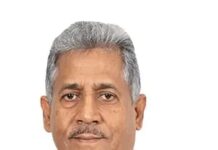
Rear Admiral S M Moniruzzaman, who assumed the role of Chairman during the interim government period on August 11, 2024, faced a number of challenges, particularly concerning port security. During this time, there was a significant shortage of police, workers, and a revolt by the Ansars, which resulted in the closure of gates. With the collaborative efforts of the Navy, Army, Coast Guard, and other agencies, port security was ensured. The port also faced a month-long disruption due to the July uprising, internet issues, and flooding. However, through coordinated efforts with the National Board of Revenue and other stakeholders, normal operations resumed within two to three months.
Regarding the safety of the port, Rear Admiral Moniruzzaman confirmed that the risk of explosions has been successfully mitigated. Hazardous chemicals, including four tankers of dangerous substances, were removed and auctioned for use in industries. Additionally, refrigerated containers containing unfit meat and fruits were disposed of after receiving environmental clearance, ensuring the port is now free of hazardous cargo risks.
A major focus under his leadership has been enhancing the efficiency of port operations. Significant improvements in ship management, reduction in waiting times, and the encouragement of larger ships with increased capacity from 800-1,200 containers to 2,500 containers were implemented. These efforts, along with better utilization of space, traffic management, and the integration of technology such as the Maritime Port Single Window system, have led to drastic improvements in container handling times.
The new terminal project, which began in 2017, has made considerable progress. Land acquisition for the project started in 2013, and within two months, 500 acres of land were acquired. The Detailed Project Proposal is now ready for submission for approval. Countries like Singapore, Korea, and the UAE have shown interest in investing in this national priority project.
Digitalization has been a key priority for Rear Admiral Moniruzzaman. The Port Single Window system, which will integrate customs operations, is currently under development with support from the European Union. The goal is to create an interoperable system that will make the port internationally competitive and secure.
Facing pressures from previous syndicates, Rear Admiral Moniruzzaman has remained committed to transparency and accountability, resulting in a 25% reduction in port expenses. He has focused on breaking the syndicate and ensuring the port remains open and accessible to all.
Under Rear Admiral Moniruzzaman’s leadership, the port has set new records for container handling. To sustain this growth, he emphasized the need for legal reforms and improvements in off-dock operations to reduce congestion and improve efficiency. Addressing issues like cargo misdeclaration and enhancing technological capabilities for sustainability are also key steps moving forward.
The involvement of Saudi-based RSGTI in managing the Patenga Container Terminal is expected to bring international standards to port operations. This partnership is anticipated to significantly boost the port’s capacity, generate substantial revenue, and attract foreign investments, enhancing Bangladesh’s global reputation.
Rear Admiral Moniruzzaman shared significant achievements over the past six months, including a 36% increase in revenue from container and general cargo handling. Despite facing challenges like floods and road communication issues, supply chain continuity was ensured. Going forward, projects like the Bay Terminal and energy terminals are aimed at establishing Bangladesh as a hub for containerized shipping and enhancing future trade opportunities.
Rear Admiral S M Moniruzzaman’s leadership has ushered in notable improvements in port security, operations, and efficiency, laying the groundwork for Bangladesh’s continued growth as a global trade hub.